
Why Public Land Matters for Hunters
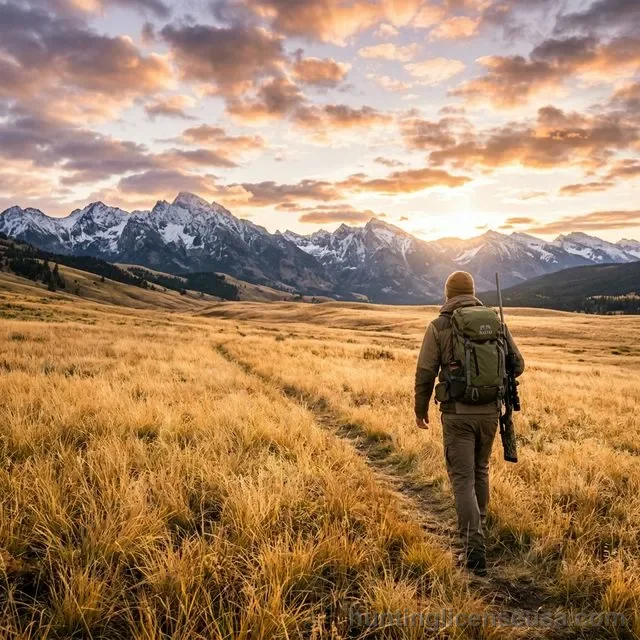
Public land is the backbone of hunting opportunity in America. Hundreds of millions of acres of federal, state, and tribal lands are open to hunting — often for no additional fee beyond your hunting license. For hunters who don't own land or have private land connections, public land is the great equalizer.
The key challenge is knowing where to go. Public land varies enormously from state to state. Western states have vast expanses of Bureau of Land Management (BLM) and National Forest land, while Eastern states rely more on state-managed Wildlife Management Areas (WMAs) and Walk-In Hunting Access programs.
This guide ranks the best states for public land hunting based on total accessible acreage, species diversity, ease of access, and hunter crowding. Whether you're planning a non-resident trip or looking for new options closer to home, these are the states where public land hunting shines.
Top 10 States for Public Land Hunting
Rankings based on total publicly accessible hunting land, species diversity, quality of access programs, and hunter density (fewer hunters per acre = better experience).
1. Montana — 30+ Million Acres
Montana leads the nation with over 30 million acres of publicly accessible hunting land — roughly one-third of the entire state. This includes approximately 16 million acres of National Forest, over 8 million acres of BLM land, and 5.5 million acres of state-owned land managed by the Department of Natural Resources and Conservation (DNRC).
Species: elk, mule deer, whitetail, antelope, bear, mountain lion, wolf, moose (draw), bighorn sheep (draw), upland birds. Montana's Block Management Program adds approximately 6.8 million acres of private land to the public access map through voluntary landowner enrollment — making it the most generous public-private access program in the country. See Montana hunting license costs.
2. Idaho — 33+ Million Acres (62% Federal)
Idaho is approximately 62% federally owned — nearly two-thirds of the state's 52.9 million acres is federal land. Major National Forests include Salmon-Challis (4.3 million acres), Sawtooth (2.1 million acres), Clearwater (1.8 million acres), Payette (2.3 million acres), and Caribou-Targhee. Vast BLM tracts cover the central mountains, offering some of the most remote, uncrowded hunting in the lower 48.
Species: elk, mule deer, whitetail, bear, mountain lion, moose (draw), mountain goat (draw), and upland birds. Idaho remains one of the more accessible resident big-game states, but hunters should still confirm the current resident tag, controlled-hunt, and unit rules before treating any deer or elk opportunity as simple OTC access. The Access Yes! program further opens private land by compensating landowners who permit through-access to public land. See Idaho hunting license costs.
3. Colorado — 23+ Million Acres
Colorado offers over 23 million acres of National Forest, BLM, and state land open to hunting — more than one-third of the state. The state has the largest elk population in North America with an estimated 290,000–300,000 animals (2024 CPW estimate), but elk access now depends heavily on residency, weapon, season, unit, and the current CPW limited or OTC list.
Species: elk, mule deer, bear, mountain lion, antelope, moose (draw), bighorn sheep (draw), dove, and waterfowl. Colorado Parks and Wildlife manages State Wildlife Areas (SWAs), and approximately 973,000 acres of State Trust Lands are open to hunting and fishing through a CPW-managed access program. Use the dove hunting license requirements for dove-specific HIP and migratory-bird planning, then see Colorado hunting license costs.
4. Alaska — 222+ Million Acres (Federal)
Alaska has more public land than every other state combined — over 222 million acres of federal land alone, representing 61% of the state and roughly one-third of all federal lands in the U.S. However, access can be expensive and logistically challenging, often requiring bush planes, boats, or extensive packrafting.
Species: moose, caribou, Dall sheep, mountain goat, brown bear, black bear, Sitka blacktail deer, waterfowl. Alaska is a dream destination but not a beginner-friendly option. Federal subsistence hunting regulations add complexity alongside state regulations. See Alaska hunting license costs.
5. Wyoming — 27+ Million Acres
Wyoming has approximately 48% federal land — roughly 27 million acres between the BLM (approximately 17.8 million acres) and the USFS (approximately 9.3 million acres), plus 5.6% state-owned land. Combined with the Wyoming Game and Fish Access Yes program, which opens over 2.5 million acres of Walk-In Hunting Areas, the total accessible acreage is exceptional for a state of just 580,000 people.
Species: elk, mule deer, whitetail, antelope (Wyoming has the most pronghorn in North America), moose (draw), bighorn sheep (draw), bear. A significant 2025 Tenth Circuit Court ruling affirmed the public's right to corner crossing — accessing public land via shared property corners — which could unlock millions of previously landlocked acres across the West. See Wyoming hunting license costs.
6–10. More Excellent Public Land States
6. Oregon — 32 million acres of federal land; elk, mule deer, blacktail deer, bear, Roosevelt elk on the coast. Oregon's controlled hunt system distributes hunting pressure effectively. See Oregon hunting license costs.
7. New Mexico — 25+ million acres of federal land; elk, mule deer, antelope, bear, turkey, Barbary sheep, oryx (draw). Strong draw system with excellent trophy quality. The state also offers unique species like free-range gemsbok (oryx) on White Sands Missile Range. See New Mexico hunting license costs.
8. Arizona — 28 million acres of federal land; Coues deer, mule deer, elk (draw), antelope, javelina, bear, mountain lion. Unique desert species and an excellent unit-by-unit draw system. See Arizona hunting license costs.
9. Michigan — 4.6 million acres of state-owned land plus 3 million acres of federal land; whitetail deer, bear, turkey, grouse, pheasant. One of the best public land hunting states east of the Mississippi, with an exceptional county and state forest system. See Michigan hunting license costs.
10. Wisconsin — 5.7 million acres of public hunting land; whitetail deer, turkey, bear (draw), grouse, waterfowl. Strong county forest system and over 300,000 acres of Managed Forest Law (MFL) lands open to public hunting. See Wisconsin hunting license costs.
Types of Public Hunting Land
National Forest (USFS) — 193 million acres nationwide across 154 national forests and 20 national grasslands. Generally open to hunting during state seasons. No additional permit usually required beyond your state hunting license. Firearms must be cased and unloaded in developed recreation areas, and discharge is prohibited within 150 yards of developed sites.
Bureau of Land Management (BLM) — 245 million acres, primarily in 12 Western states including Alaska. Nearly all BLM land is open to hunting. No additional access fee. BLM land is the backbone of Western public hunting access.
State Wildlife Management Areas (WMAs) — State-owned properties managed specifically for wildlife and hunting. May require a WMA permit ($5–$25 in most states) in addition to your hunting license. Quality WMAs are often actively managed for game population health.
Walk-In Hunting Access (WIHA/WIA/Block Management) — Programs where private landowners enroll their land for public hunting access, typically in exchange for liability protection and small payments. Montana's Block Management (~6.8 million acres), Wyoming's Access Yes (2.5+ million acres), Kansas's WIHA, and Colorado's Walk-In Access are among the best.
Army Corps of Engineers / TVA Lands — Federal lands around reservoirs and waterways. Often overlooked but can offer excellent waterfowl, deer, and turkey hunting, especially in the Southeast and Midwest.
National Wildlife Refuges (NWR) — Over 560 refuges across the U.S. managed by USFWS. Many allow hunting during designated seasons. Check specific refuge regulations at fws.gov. Some refuges require a free access permit.
How to Find Public Hunting Land
Finding public land has never been easier thanks to modern mapping tools:
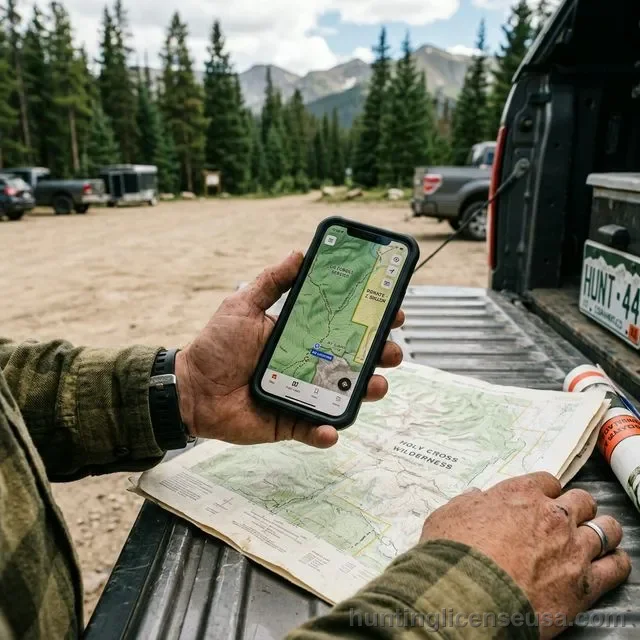
onX Maps — The gold standard for hunting maps. Shows public/private land boundaries, property ownership, and access points. Subscription-based ($30–$100/year depending on number of states). Available as a mobile app with offline maps. Essential for Western public land hunting.
Gaia GPS — Excellent backcountry mapping with public land overlays. $40/year for premium features. Good for Western hunters doing deep backcountry trips where offline topographic maps are critical.
State Wildlife Agency Maps — Most state wildlife agencies offer free online maps of WMAs, Walk-In Access areas, and other public land. Start with your state's official hunting atlas. Montana's Block Management Hunter Access Guide (published before August 15 annually) is particularly useful.
USGS/BLM Maps — Free topographic and land ownership maps available at usgs.gov and blm.gov. Less user-friendly than commercial apps but completely free. BLM's land status maps are the definitive resource for identifying federal public lands.
Corner Crossing Update (2025): A landmark Tenth Circuit Court ruling in 2025 affirmed that hunters can cross from one piece of public land to another at shared corners with private land — potentially unlocking millions of inaccessible acres across the West. This ruling applies in Wyoming, Colorado, Utah, Kansas, Oklahoma, and New Mexico.
Pro tip: Use our Hunting Season Finder tool to check season dates for your target species and state, then cross-reference with public land maps to plan your hunt.
Public-land gear categories that match access planning
Public-land trips reward simple, durable categories: navigation backup, light, boots, compact safety gear, and enough pack space for changing conditions.
Best for readers who have picked an access state and are preparing for a walk-in or trailhead-based hunt.
Browse the hunting gear category Hunting day pack
Carry layer, water, first aid, light, map, and basic field kit without overpacking.
Natural on public-land, beginner, and season-readiness pages.
Tools for this stepWaterproof map case
Low-tech backup for permits, maps, and printed access notes when service drops.
Fits public-land access and out-of-state trip planning pages.
Tools for this stepHeadlamp
Hands-free light for pre-dawn access, field dressing, and getting back to the vehicle.
Fits season planning, first-hunt, and field-prep content.
Tools for this stepWaterproof hunting boots
Broken-in boots matter more than extra gadgets on long sits, wet ground, and public access.
Fits first-hunt, public-land, and season pages.
Tools for this stepPackable rain gear
Light rain layer for changing fall weather, long hikes, and opening-week sits.
Best on season calendars, public-land pages, and first-trip preparation.
Tools for this stepCompact first aid kit
Small trauma-aware kit for day hunts, range days, and remote access routes.
Relevant on safety, beginner, and season-readiness pages.
Tools for this stepCompact binoculars
Entry-level glass for scouting, identifying movement, and checking terrain.
Fits beginner, deer, public-land, and scouting content.
Tools for this stepField seat cushion
Quiet comfort category for long ground sits, public-land edges, and beginner setups.
Natural on first-hunt, deer, and public-land pages.
Tools for this stepFrequently Asked Questions
Do I need a special permit to hunt on public land?
Usually no — your state hunting license is sufficient for National Forest and BLM lands. State WMAs may require an additional WMA permit ($5–$25). National Wildlife Refuges may require a free access permit. Always check the specific property's regulations before hunting.
Which state has the most public land for hunting?
Alaska has the most total public land (222+ million federal acres), but Montana offers the best combination of accessible public land (30+ million acres including ~6.8 million acres of Block Management on private land) with world-class species diversity. Idaho's 62% federal ownership rate makes it the most public-land-dense state in the lower 48.
Can non-residents hunt on public land?
Yes. Public land is open to all hunters with valid licenses, regardless of residency. However, non-residents must purchase a non-resident hunting license, which is significantly more expensive than resident licensing in many states. Use the non-resident hunting license guide when you need the cost comparison before choosing a public-land trip.
What is Walk-In Hunting Access?
Walk-In Hunting Access (WIHA, WIA, or Block Management depending on the state) are programs where private landowners voluntarily open their land to public hunting. The state provides liability protection and sometimes small payments to enrolled landowners. Montana's Block Management alone adds ~6.8 million acres, and Wyoming's Access Yes adds 2.5+ million acres.
Is public land hunting overcrowded?
It depends on location and timing. Areas near roads and trailheads within 30 minutes of population centers can be crowded, especially during opening weekend. But most public land is virtually empty if you're willing to hike 1–2 miles from the road. Western states generally have lower hunter density than Eastern states.
What are the best public land hunting apps?
onX Maps ($30–$100/year) is the most popular hunting-specific app with public/private land boundaries and property ownership. Gaia GPS ($40/year) is excellent for backcountry navigation. HuntStand (free version available) provides basic land ownership and weather data.
What is corner crossing and is it legal?
Corner crossing means stepping from one piece of public land to another across a shared corner with private land — without touching private ground. A 2025 Tenth Circuit Court ruling affirmed this as legal, potentially unlocking millions of acres of previously landlocked public land in Wyoming, Colorado, Utah, Kansas, Oklahoma, and New Mexico.
Sources
Listed sources support the official examples, planning framework, and agency links highlighted in this guide. They do not verify every state rule, fee, season date, private-land exception, application deadline, or late emergency update without checking the current agency page.
- https://fwp.mt.gov/hunt/access/block-management
- https://idfg.idaho.gov/hunt
- https://cpw.state.co.us/learn/Pages/Hunting.aspx
- https://wgfd.wyo.gov/Regional-Offices/Access-Yes
- https://www.blm.gov/about/data/public-land-statistics
- https://www.fs.usda.gov/about-agency
- https://www.earthjustice.org/press/2025/tenth-circuit-corner-crossing