
Separate paid entries in 45 of 50 states.
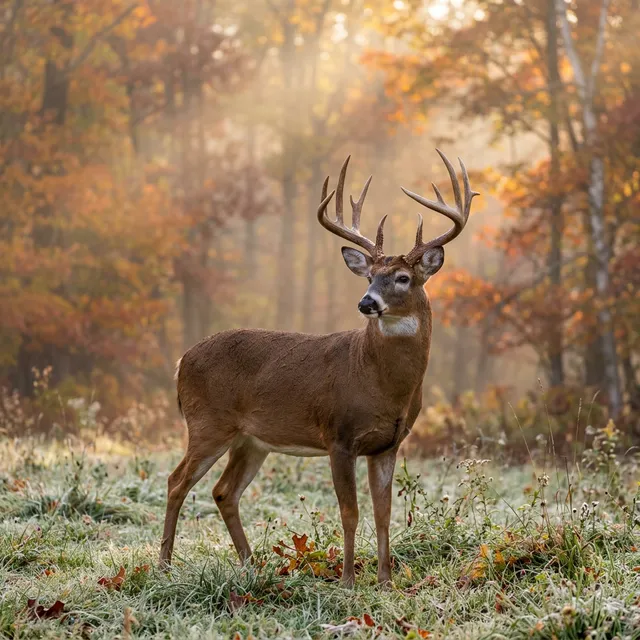
Deer
Deer Hunting License: Cost by State, Tag Fees & Season Dates (2026)
Compare deer hunting license costs, extra permits, and season dates across 50 states.
States 50 Allow deer hunting
Resident Add-On $32 Separate paid entries in 45 states
Non-Resident Add-On $275 Separate paid entries in 46 states
Draw Required 14 States Lottery/draw required
Editorial review
Reviewed by Kevin Luo, editor and verification lead, for Deer permit, tag, stamp, season, and state-comparison guidance.
Source coverage reviewed August 17, 2026
TAG COST CHECK
Deer Hunting Tag Cost
Use this before the full state table when you need the likely deer license, tag, draw, or permit budget.
Separate paid entries in 46 of 50 states.
Florida has the lowest paid non-resident deer entry in this table.
Montana is the highest paid non-resident deer entry in this table.
True total cost usually means base hunting license + deer tag or permit + any other stamps, draw applications, access permits, or reporting requirements. Deer non-resident tag or permit costs start around $5 in Florida and reach $760 in Montana. 4 states require checking state notes because a zero-dollar table entry can mean bundled privileges, no separate listed charge, or a license package rather than a free standalone tag. 14 states require a draw or lottery step, so budget planning should start before the season opens.
Use this species-specific page for deer permits, tags, seasons, and draw context. For state-specific base license rules, open the matching state page. Use the calculator when the next step is estimating the full license and permit cost.
OVERVIEW
Deer Hunting in the United States
Deer hunting is one of the largest big-game hunting categories in the United States, with white-tailed deer common across much of the eastern and central country and mule deer or blacktail deer shaping many western seasons. Nearly every state offers some form of deer hunting, though license structures, tag costs, season dates, draw systems, and disease rules vary significantly — from Texas's license-plus-tagging path to Iowa's competitive non-resident draw system. Some states handle deer privileges inside a broader license path, while others require separate tags that can exceed $500 for non-residents. Chronic Wasting Disease (CWD) is an increasingly important factor affecting deer management, and CDC reports that the disease has been found in wild deer in 36 U.S. states. Testing, reporting, and carcass-transport rules still vary by state, county, and unit. Understanding your state's specific deer license requirements, draw systems, antler restrictions, and CWD regulations is essential for planning your hunt.
Deer Hunting License Structure: Which States Include Tags vs. Require Separate Permits
Deer hunting license requirements fall into two broad categories across the US: states where deer access is handled inside a broader license path, and states where a separate deer tag or permit is required. Understanding which category your target state falls into is the first step in calculating your total cost.
Several southeastern and southern states bundle deer privileges into a broader hunting, big-game, sportsman, or all-game license path instead of selling a standalone deer tag first. That does not mean deer access is free: Georgia requires hunting plus Big Game privileges and a free Harvest Record; compare the Georgia deer license and season guide before choosing the state-specific path. Louisiana requires Basic Hunting plus the Deer Hunting License unless bundled; Mississippi layers deer permits and weapon privileges onto All Game or package licenses; Tennessee residents need the combo license plus an appropriate Big Game supplement, while non-residents use All Game licenses. Always compare the full deer-access path, not just the tag line.
Many other states require a deer tag or permit in addition to the base hunting license. Costs range from modest antlerless or resident deer-license entries to much more expensive non-resident draw or combination-license paths in states such as Iowa, Colorado, and Montana. Michigan, Wisconsin, Indiana, and Pennsylvania all illustrate why hunters need to compare the actual license-plus-permit path instead of relying on one national tag label. Always add the license cost + tag cost + applicable stamps when budgeting your total.
Western Deer Draw Systems: Colorado, Montana, Wyoming, Idaho, Utah, Nevada, and Arizona
Western states often manage deer hunting through draw, quota, leftover, returned-license, or hunt-code systems rather than one simple over-the-counter pathway. This reflects the finite nature of mule deer populations on western ranges and the high demand from both residents and non-residents. Colorado uses hunt codes and a preference point system for limited licenses, and hunters should treat any leftover, returned-license, or OTC option as current-regulation dependent rather than a guaranteed shortcut. Applications typically require spring planning.
Montana non-resident deer access normally runs through the Deer Combination or Big Game Combination draw, while residents use a general deer license plus required base items. Wyoming deer access runs through regular or Special draw licenses, with the conservation stamp and optional archery permit priced separately. South Dakota, North Dakota, Kansas, and Nebraska all require permit-specific planning because draw windows, buy units, public/private access rules, and preference points differ by license type.
Nevada, Arizona, and Utah should be treated as draw- and hunt-code-driven deer states rather than simple buy-now states. Nevada uses a squared bonus point system — points accumulated are squared, then one is added, creating exponential odds improvement with patience. Missing two consecutive years of applications resets your Nevada bonus points to zero. Arizona draws are managed unit-by-unit with separate applications for different weapon types. Utah distinguishes between limited-entry and general-season deer structures, both of which require current guidebook review before applying. Idaho's general deer tags for non-residents moved to a controlled hunt draw system for 2026, replacing the previous first-come-first-served OTC system. Resident general access in Idaho, Colorado, and Wyoming still depends on the current unit, season, and license type.
CWD, Antler Restrictions, and Weapon Rules: Key Regulations Affecting Deer Hunters Nationwide
Chronic Wasting Disease (CWD) is the most significant regulatory development in deer hunting over the past decade. CDC reports that CWD has been found in wild deer in 36 U.S. states and notes that recommendations or requirements for testing vary by state and hunting area. States with active CWD programs may impose mandatory or recommended testing, carcass-transport restrictions, baiting or feeding limits, special reporting rules, or targeted harvest rules in affected units. Always check the specific CWD zone status of your hunting unit before planning a trip, as regulations vary county by county.
Antler Point Restrictions (APR) are used by many states to protect young bucks and improve age structure in herds. Some rules require a minimum number of points on one antler, while others depend on county, wildlife management unit, season, or public-land area. Michigan, Virginia, Maryland, Pennsylvania, and several southern states illustrate why APR cannot be checked from a national table alone. Understanding whether your hunting zone has APR is critical before pulling the trigger on a buck.
Weapon restrictions for deer vary significantly by state. Some eastern and midwestern states restrict centerfire rifle use, allow only straight-wall cartridges in certain seasons, or use different firearm rules by county or weapon season. Suppressor legality, magazine limits, and public-land weapon rules also vary. Check your state's specific weapon regulations for the season type and county or unit you plan to hunt.
REQUIREMENTS
What Deer Hunters Need Beyond the Base License
Tags, extra permits, stamps, and draw rules that commonly apply.
Deer hunting in the US requires a valid hunting license plus the state-specific deer privilege, tag, permit, stamp, harvest record, or bundled big-game package. Some states bundle deer privileges into a broader license product, while others require a separate deer permit in addition to the base license; either way, hunters should budget the full license-plus-privilege path rather than treating a zero-dollar tag line as free deer access. Many western states (CO, WY, NV, AZ, NM, CA, UT) and some midwestern states (IA, KS, ND) use draw, quota, or limited-permit systems, requiring hunters to apply months in advance and sometimes use preference or bonus points. Key requirements include: (1) Hunter education certification, which depends on age, state, and license history; (2) Harvest reporting — many states require prompt reporting; (3) CWD testing and carcass rules — CDC reports wild-deer CWD detections in 36 U.S. states, but testing, transport, and reporting requirements are state- and unit-specific; (4) Antler restrictions — many states have Antler Point Restrictions (APR) requiring 3+ or 4+ points on one side in specific zones; (5) Weapon restrictions — several eastern states restrict or prohibit centerfire rifle use for deer, allowing only shotgun slugs, muzzleloaders, straight-wall cartridges, and/or archery in some areas. Always check your state's specific regulations for antler restrictions, bag limits, magazine capacity limits, and weapon requirements.
Plan the Full Purchase
Start with the base hunting license, then layer in the species tag, migratory bird permit, draw application, or season-specific stamp that applies to your deer hunt.
SOURCES
Deer Hunting Official Sources
Listed sources support CDC CWD public-health guidance plus selected Georgia, Iowa, Colorado, and Montana deer license/tag examples. They do not verify every state row, every season date, every weapon rule, every hunter-population estimate, or every best-state claim.
COST COMPARISON
Deer Hunting License Cost by State
Compare deer tag and permit fees across 50 states for the 2026 season.
TOP PICKS
Best States for Deer Hunting
Expert-recommended destinations for deer hunters.
#1
Texas
Texas is a major deer-hunting destination with extensive private-land hunting and county-specific tagging or reporting rules. The deer-access path starts with the appropriate Texas hunting license and current tagging documentation rather than a separately priced deer tag line. The season spans long fall-to-winter frameworks in many counties, but bag limits, reporting, and special rules still need county-level checking.
Large private-land deer market and license-based deer path
#2
Wisconsin
Wisconsin has a deep deer-hunting tradition, a well-known 9-day gun season, and separate deer license choices by season type. Resident deer license costs are relatively modest, but hunters still need to check the current county, farmland zone, CWD, and bonus-antlerless rules before treating the tag path as simple.
Classic Midwest deer state with season-specific license planning
#3
Michigan
Michigan offers deer hunting across both the Upper and Lower Peninsulas, with base-license and deer-license choices that differ by hunter plan. The Deer Combo license can be useful for hunters comparing antlered and antlerless options, but county, DMU, and reporting details should be checked before purchase.
Peninsula-wide deer access with base-license plus deer-license planning
#4
Pennsylvania
Pennsylvania is a major Eastern deer state with a large public-land and state-game-lands footprint. The general hunting license is the starting point for antlered deer, while antlerless opportunities depend on WMU-specific license availability. Compare the current license, antlerless, DMAP, and season rules before choosing it as a budget destination.
Strong Eastern public-land option with WMU-specific antlerless planning
#5
Georgia
Georgia offers long deer seasons and a 12-deer season limit, but adult hunters still need the proper hunting license, Big Game privilege, and free Harvest Record before hunting. The state has both WMA quota hunts and private-land opportunities across piedmont and coastal regions.
$40 resident / $325 NR annual deer access before optional WMA costs
SEASONS
Deer Hunting Season Dates by State
Season dates, weapon types, and regulations at a glance.
FAQ
Frequently Asked Questions About Deer Hunting Licenses
What is the true total cost to hunt deer?
The true total cost for deer is the base license plus the deer tag, deer permit, big-game privilege, harvest record, weapon permit, or draw fee your state requires. Residents often pay $15–$70 for the deer-specific layer or bundled privilege path, while non-residents can pay $100–$500+ in high-demand deer states. Also budget for CWD rules where they apply, because testing, carcass movement, or reporting requirements can affect how you plan the hunt even when the tag price looks simple.
Do I need a separate deer tag or is it included with my hunting license?
This varies by state. Some states include one or more deer tags inside a broader hunting or big-game license, while others require a separate deer permit, weapon permit, harvest record, or package license. A zero-dollar tag line often means the privilege is bundled, not that a hunter can skip the required license path. Always confirm the current state wildlife agency rules before buying.
What is a deer draw and how does it work?
A draw (or lottery) is a system where hunters apply for a limited number of deer tags during a set application period. States like Colorado, Iowa, Kansas, Arizona, Nevada, and Wyoming use draw systems for some or all deer hunts. Hunters typically pay a non-refundable application fee ($5–$100+), and selected applicants then pay the tag fee. Many states offer preference or bonus point systems where unsuccessful applicants earn points that increase their odds of drawing in future years.
When is deer hunting season?
Deer season dates vary by state but generally run from September through January. Archery seasons typically open first (Aug–Oct), followed by general firearm seasons (Oct–Dec), and muzzleloader seasons. Southern states like Alabama, Louisiana, and Florida have the longest seasons (Sep–Feb). Northern states may have shorter windows but often feature more concentrated deer movement during the rut (Nov). Always check your specific state and zone dates.
What is the cheapest state to hunt deer?
For residents, the cheapest planning paths are usually states with low-cost hunting or big-game bundles, but you still need to include required add-ons such as Big Game privileges, Deer Hunting licenses, harvest records, or weapon permits. For non-residents, affordable options often include eastern states with lower deer permits, while draw states like Iowa and Colorado are much more expensive. Compare total checkout cost, not just the tag label.
Can non-residents hunt deer in every state?
Most states provide a non-resident deer path, but availability, license type, public-land access, weapon season, and draw odds vary significantly. Some states such as Iowa and Kansas use limited non-resident draw systems, while other states rely more on general licenses, permits, or bundled big-game privileges. Non-resident hunters should confirm the current state agency rules before buying a license or assuming tags are available over the counter.
How many deer can I harvest per season?
Bag limits range from 1 deer per season (many western states like NV, AZ, UT) to 12+ in states like Georgia. Most states allow 2–5 deer total with restrictions on the number of antlered bucks permitted (typically 1–2). Some states offer bonus antlerless tags to help manage doe populations. Texas allows 5, Alabama allows 3 antlered, and many states use either-sex days. Always check your state's specific regulations.
What is CWD and how does it affect deer hunting?
Chronic Wasting Disease (CWD) is a fatal neurological disease affecting deer, elk, and moose. CDC reports that CWD has been found in wild deer in 36 U.S. states. Affected states may require or recommend CWD testing, restrict movement of whole carcasses, limit baiting or feeding, or add special reporting and harvest rules. CWD has not been shown to infect humans, but CDC says hunters should strongly consider testing deer or elk from areas where CWD is known and should not eat meat from an animal that tests positive.
What is the best state for public land deer hunting?
For public land deer hunting, Pennsylvania, Michigan, Wisconsin, and many western states are common starting points because they combine deer opportunity with public-land systems. The right answer depends on access maps, deer management unit rules, weapon season, draw requirements, and how far you are willing to travel. In the West, public-land opportunity can be excellent, but access usually depends on drawing or buying the correct state-specific deer license, tag, or permit before the hunt.