
Only 1 of 28 states list a separate paid resident wild hog tag or permit; many use the base license, stamps, or state notes.
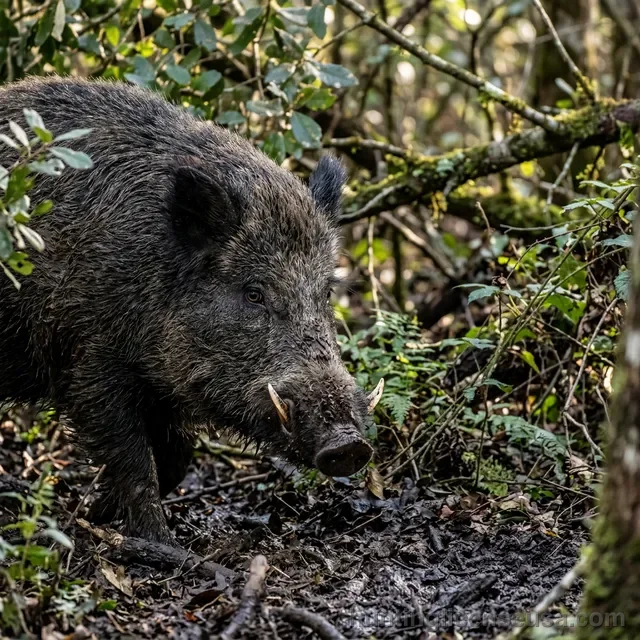
Wild Hog
Wild Hog Hunting License: Private vs Public Land Rules
Compare wild hog hunting license costs, extra permits, and season dates across 28 states.
States 28 Allow wild hog hunting
Resident Add-On Varies Often base license, stamp, or state notes
Non-Resident Add-On Varies Often base license, stamp, or state notes
Access Rules Land-type Private, public, report-only, or prohibited
Editorial review
Reviewed by Kevin Luo, editor and verification lead, for Wild Hog permit, tag, stamp, season, and state-comparison guidance.
Source coverage reviewed August 17, 2026
TAG COST CHECK
Wild Hog Hunting Tag Cost
Use this before the full state table when you need the likely wild hog license, tag, draw, or permit budget.
Only 1 of 28 states list a separate paid non-resident wild hog tag or permit; many use the base license, stamps, or state notes.
California has the lowest paid non-resident wild hog entry in this table.
True total cost usually means base hunting license + wild hog tag or permit + any other stamps, draw applications, access permits, or reporting requirements. Wild Hog has a separate listed non-resident wild hog tag or permit entry around $101.26 in California; many other rows depend on the base license, stamps, or state notes. 27 states require checking state notes because a zero-dollar table entry can mean bundled privileges, no separate listed charge, or a license package rather than a free standalone tag.
Use this species-specific page for wild hog permits, tags, seasons, and draw context. For state-specific base license rules, open the matching state page. Use the calculator when the next step is estimating the full license and permit cost.
OVERVIEW
Wild Hog Hunting in the United States
Wild hog (feral pig) hunting license rules depend first on land type and state management policy. On private land, a license exception can apply in states such as Texas or Florida when the hunter has landowner permission and the animal is treated as a nuisance or invasive species. On public land, WMAs, national forests, guided operations, or managed hunts, a base hunting license, access permit, quota permit, hunter education rule, or method-specific restriction can come back into play. Some states do not want recreational hog hunting at all because it can scatter animals and undermine eradication work, so report-only or no-sport-hunt rows should not be read as OTC opportunities. Wild hog hunting is one of the fastest-growing and most unusual hunting opportunities in the United States, with an estimated 6-9 million feral hogs causing $2.5 billion in agricultural damage annually across 35+ states. Texas alone is home to an estimated 3 million feral hogs and is the best-known destination, but the safest planning path is to check private land, public land, night hunting, dog hunting, and transport rules before assuming the hunt is license-free. Wild hogs typically weigh 100-400 lbs, though trophy boars can exceed 500 lbs with prominent tusks.
Wild Hog License Requirements: Where You Need One and Where You Don't
For Texas feral hog hunting license requirements in 2026, start with the land type. On private property, TPWD's current public guidance says a hunting license is not required for feral hogs when the hunter has landowner authorization, but hunter education, firearm, night-hunting, aerial control, baiting, local, and guided-hunt rules can still matter. Public hunting land is a different decision path, so use the Texas state page for the broader license path and confirm the current TPWD feral-hog rule before the trip.
Wild hog hunting has some of the most permissive regulations of any large animal in the United States, and the licensing requirements vary more than most species. Florida also has a private-property exception path: with landowner permission, FWC's current public guidance allows wild hogs to be hunted year-round on private property without a hunting license or permit. Similar private-land exceptions or reduced requirements may apply in states such as Arkansas, Indiana, and Oregon, but hunters still need to confirm the current agency rule and landowner authorization before relying on a no-license path.
In many other states, a basic hunting license is required to hunt feral hogs, and public-land access may add a WMA, management-area, quota, or method-specific requirement. States in this broad license-required category include Georgia, South Carolina, North Carolina, Oklahoma, Louisiana, Mississippi, Alabama, Tennessee, Kentucky, Missouri, Kansas, Virginia, and West Virginia. California is the clearest added species-cost example in this table because it requires an additional Wild Pig Validation stamp, shown here as $28.34 resident / $101.26 non-resident, on top of the regular hunting license.
On public land — Wildlife Management Areas, National Forests, and other government-managed properties — the rules tighten significantly. A hunting license, WMA permit, quota permit, check-station requirement, or legal-method rule may apply even in states with private-land license exceptions. Many states also restrict public-land hog hunting to open seasons for other game species, using legal methods for that season. Some states (Missouri, Colorado, New York, Ohio) prohibit recreational hog hunting on public land entirely and handle removal professionally to avoid encouraging hog dispersal.
Wild Hog Hunting Methods: Night Hunting, Thermal Optics, Helicopters, and Dogs
Wild hog hunting can allow methods that are prohibited for many other game species, but the details are state-specific. Night hunting with artificial lights, thermal optics, or night-vision equipment may be legal on private land in Texas, Florida, Georgia, Oklahoma, South Carolina, North Carolina, Louisiana, and Mississippi, among others. In Texas, private-land method options are broad, but hunters still need landowner authorization and should confirm current rules for thermal optics, suppressed firearms, bait stations, and spotlights. Some states require notifying local law enforcement before night hunting (Louisiana requires notifying the parish sheriff 24 hours in advance; Oklahoma requires notifying the county sheriff).
Helicopter hunting — aerial gunning from low-flying helicopters — is legal only in Texas and represents a distinct industry. Guided helicopter hog hunts typically run $1,500–$5,000+ for 1–3 hours of flight time. Hunters typically use AR-15 platforms or shotguns. Texas also permits aerial hunting by landowners and their agents under a Depredation Order. No other state currently permits recreational helicopter hunting of feral hogs.
Hunting with trained dogs may be legal in Texas, Florida, South Carolina, Louisiana, Mississippi, Oklahoma, North Carolina, Hawaii, and several other states, but public-land and season restrictions can change the answer quickly. Dog hunting for hogs typically involves two phases: strike dogs that locate and bay the hog, and catch dogs (heavily armored bulldogs or curs) that grip and hold the hog until the hunter arrives. A knife or short firearm is used for the kill. This method is deeply traditional in the Southeast and Hawaii. Trapping is often part of large-scale depopulation work, but trap rules and permits are also state-specific.
Feral Hog Population, Damage, and Management Context
The feral hog population in the United States is estimated at 6–9 million animals distributed across 35+ states, with the highest concentrations in Texas (approximately 3 million), Florida (500,000+), Georgia, Louisiana, Mississippi, Alabama, Oklahoma, and South Carolina. The population has expanded dramatically over the past 30 years as hogs escaped captivity, were illegally released to create hunting opportunities, and spread naturally from established populations. As of 2026, feral hogs have been confirmed in parts of 47 states, though huntable populations are primarily concentrated in the South, Southeast, and central Texas.
Feral hogs cause an estimated $2.5 billion in annual damage to agriculture in the United States, making them the most economically damaging invasive animal in the country. The damage includes rooting up crops and pastures, destroying fencing, fouling water sources, predating ground-nesting birds and their eggs, and competing with native wildlife for food. A single sounder (family group) of 8–15 hogs can devastate a crop field overnight. In response, federal and state agencies maintain active eradication programs, and most states legally classify feral hogs as invasive, nuisance, or unprotected species specifically to encourage maximum removal.
Despite aggressive hunting and trapping efforts, feral hog populations have proven difficult to reduce at a landscape scale. A sow reaches sexual maturity at 6 months and can produce 2 litters of 4–8 piglets per year, giving hogs one of the highest reproductive rates of any large mammal in North America. Researchers estimate that 70–75% of a population must be removed annually just to keep numbers stable. Hunting alone has not been sufficient to meaningfully reduce hog populations in core range states like Texas and Florida. State and federal programs combine hunting, trapping, and in some areas aerial gunning contracts to manage damage on a localized basis.
REQUIREMENTS
What Wild Hog Hunters Need Beyond the Base License
Tags, extra permits, stamps, and draw rules that commonly apply.
Wild hog license requirements by state vary dramatically by land type (private vs. public). Start with three questions: who owns the land, whether the state treats feral hogs as nuisance or game animals, and whether the method is ordinary daytime hunting, night hunting, trapping, dogs, or aerial control. Private-land license exceptions still depend on current state rules and landowner permission. In most public-land or managed-area contexts, a basic hunting license or management-area permit may still be required. California is the clear separate-cost exception in this table because its Wild Pig Validation is listed as an added species-specific cost. Use the hunting license cost by state hub when the next question is the broader base-license price rather than hog-specific access. Key regulations: (1) Season: Many states allow year-round private-land removal, but public-land seasons can be narrower; (2) Bag limits: Often none in core hog states, but hunters should confirm the current state rule; (3) Night hunting: Often allowed on private land in core hog states, sometimes with sheriff notification or property registration; (4) Methods: Rifles, shotguns, bows, handguns, dogs, traps, thermal optics, and aerial control are all state-specific; (5) Public land: Most WMAs restrict hog hunting to open game seasons using legal methods for that season; some states prohibit recreational public-land hog hunting entirely, handling removal professionally; (6) Important: Never transport or release live feral hogs because many states treat that as a serious wildlife violation.
Plan the Full Purchase
Start with the base hunting license, then layer in the species tag, migratory bird permit, draw application, or season-specific stamp that applies to your wild hog hunt.
SOURCES
Wild Hog Hunting Official Sources
These sources support the California, Colorado, Missouri, and New York wild hog rules highlighted on this page, especially validation costs, report-only guidance, public-land prohibitions, and no-sport-hunt warnings. Other state rows remain planning summaries and should be checked against the current state agency before hunting.
COST COMPARISON
Wild Hog Hunting License Cost by State
Compare wild hog tag and permit fees across 28 states for the 2026 season.
TOP PICKS
Best States for Wild Hog Hunting
Expert-recommended destinations for wild hog hunters.
#1
Texas
Texas is the best-known wild hog destination in America with an estimated 3 million feral hogs. On private property, the Texas feral hog license answer starts with landowner authorization: TPWD's current public guidance says a hunting license is not required for feral hogs on private property when the hunter has landowner authorization, but hunter education and method rules can still matter. Public hunting land, guided operations, aerial control, baiting, trapping, dog hunting, and local rules should be checked before the trip.
3 million hogs, private-land license exception, method rules still matter
#2
Florida
Florida has one of the largest feral hog populations and offers accessible private-land hunting. With landowner permission on private property, Florida's current public guidance allows wild hog hunting year-round without a hunting license or permit, but public lands, wildlife management areas, quota hunts, and special hunts can add access permits, area rules, or method limits. Dogs and night hunting may be available in specific private-land contexts, while public-land rules are more restrictive.
Large hog population, private-land license exception, public-land rules differ
#3
Georgia
Georgia has a thriving feral hog population with year-round hunting and no bag limits on private land. Night hunting with thermal and NV optics is legal, and the state offers a special May WMA feral hog season. Georgia requires a basic hunting license but offers one of the most liberal hog hunting frameworks in the Southeast.
Year-round, thermal/NV legal at night, special May WMA hog season
#4
Oklahoma
Oklahoma has aggressive hog eradication goals and offers very liberal hunting rules. Year-round with no bag limits, night hunting on private land with thermal/NV (notify sheriff), and dogs and traps are all legal. The state has been considering legislation to further reduce licensing requirements for hog hunters.
Liberal night hunting rules, dogs and traps legal, legislating easier access
#5
South Carolina
South Carolina allows year-round hog hunting on private land with no bag limits. Night hunting is legal (annual property registration with DNR required), and hunting with dogs is a deeply rooted tradition in the state. WMA hunting during open seasons provides additional public land opportunities.
Night hunting legal, dog hunting tradition, no bag limits year-round
SEASONS
Wild Hog Hunting Season Dates by State
Season dates, weapon types, and regulations at a glance.
FAQ
Frequently Asked Questions About Wild Hog Hunting Licenses
Do you need a license to hunt wild hogs?
It depends on the state and whether you're on private or public land. Private-land license exceptions may apply in Texas, Florida, Arkansas, Indiana, and Oregon when the hunter has landowner permission, but those exceptions still depend on current state rules. Most other states (GA, SC, NC, OK, LA, MS, TN, AL) require a basic hunting license. California requires a Wild Pig Validation, shown here as $28.34 resident / $101.26 non-resident. On public land, WMAs, national forests, or managed areas, a hunting license and often a management area permit are commonly required.
Why do some wild hog pages show $0?
$0 usually means the table does not list a separate hog tag price. It does not always mean the full hunt is free. A base hunting license, WMA permit, landowner permission, night-hunting notification, dog-hunting rule, or public-land access rule may still apply.
What are the Texas feral hog hunting license requirements for 2026?
For Texas feral hog hunting license requirements in 2026, separate private land from public land first. On private property, TPWD's current public guidance says a hunting license is not required for feral hogs when the hunter has landowner authorization, but hunter education and method rules can still matter. Public land, guided operations, night hunting, aerial control, baiting, and local method rules can add requirements. Use the Texas hunting license page for the broader license path and confirm the current TPWD feral-hog rule before hunting.
What is the true total cost to hunt wild hogs?
The true total cost for wild hogs depends first on private land versus public land. Private-land license exceptions may apply in Texas and Florida with landowner permission, but public land commonly brings back the base hunting license, WMA permit, management-area permit, or legal-method restriction. Many license-required states start with a basic hunting license ($10-$35 resident, $75-$300+ non-resident), and California adds a Wild Pig Validation listed here at $28.34 resident / $101.26 non-resident. Guided hog hunts can range from $200-$500 for a basic hunt to $1,500-$5,000+ for helicopter or thermal night hunts in Texas.
Can you hunt hogs at night?
Often, but the answer depends on the state, land type, and notification rule. States with liberal private-land night hunting can include Texas, Florida, Georgia, Oklahoma, South Carolina, North Carolina, Louisiana, and Mississippi, but some require sheriff notification, property registration, or specific equipment limits. Night hunting is typically prohibited or tightly limited on public WMAs.
Can you hunt hogs from a helicopter?
Texas is the main state where aerial feral hog control is commonly offered through guided helicopter hunts, but hunters should confirm the current TPWD rule, landowner authorization, and operator requirements before booking. Guided helicopter hog hunts are a major industry in Texas, with prices ranging from $1,500-$5,000+ per person for 1-3 hours of flight time. Hunters typically use semi-automatic rifles or shotguns, and the license answer depends on the current private-land feral-hog framework.
What states have the most feral hogs?
Texas leads with approximately 3 million feral hogs (about 50% of the US population). Florida has 500,000+, making it a strong #2. Other states with large populations include: Georgia (500K-1M estimated), Louisiana, Mississippi, Alabama, Oklahoma, South Carolina, North Carolina, Arkansas, Tennessee, Missouri, and California. The total US feral hog population is estimated at 6-9 million and growing despite removal efforts.
Is wild hog meat safe to eat?
Yes, wild hog meat (wild boar) is safe to eat when properly prepared. Key safety rules: (1) ALWAYS cook to 160°F+ internal temperature to kill Trichinella and other parasites; (2) Wear gloves when field dressing to avoid brucellosis and other zoonotic diseases; (3) Avoid consuming organs; (4) Young sows (100-150 lbs) produce the best eating — large boars can have a strong, gamey flavor. Wild hog is high in protein and lower in fat than domesticated pork.
Are wild hogs dangerous?
Feral hogs can be dangerous when cornered, wounded, or protecting piglets. Boars have razor-sharp tusks (2-5 inches) capable of inflicting serious wounds. However, unprovoked attacks on humans are extremely rare — hogs prefer to flee. Safety tips: (1) Use adequate caliber (.243 minimum, .308 or larger recommended for large boars); (2) Follow up quickly on wounded animals; (3) Keep distance from sows with piglets; (4) When hunting with dogs, let dogs do the baying and approach cautiously.
What is the best caliber for hog hunting?
For feral hogs, .243 Winchester is considered the minimum effective caliber. Popular choices include: .308 Winchester (most popular all-around), .30-06 Springfield, 6.5 Creedmoor, .300 Blackout (excellent suppressed), .223/5.56 (legal but barely adequate for large boars). For close-range night hunts, AR-15 platforms in .300 Blackout or .308 with thermal optics are extremely popular. Shotguns with buckshot are effective at close range, especially when using dogs.